
Cockroach identification photos
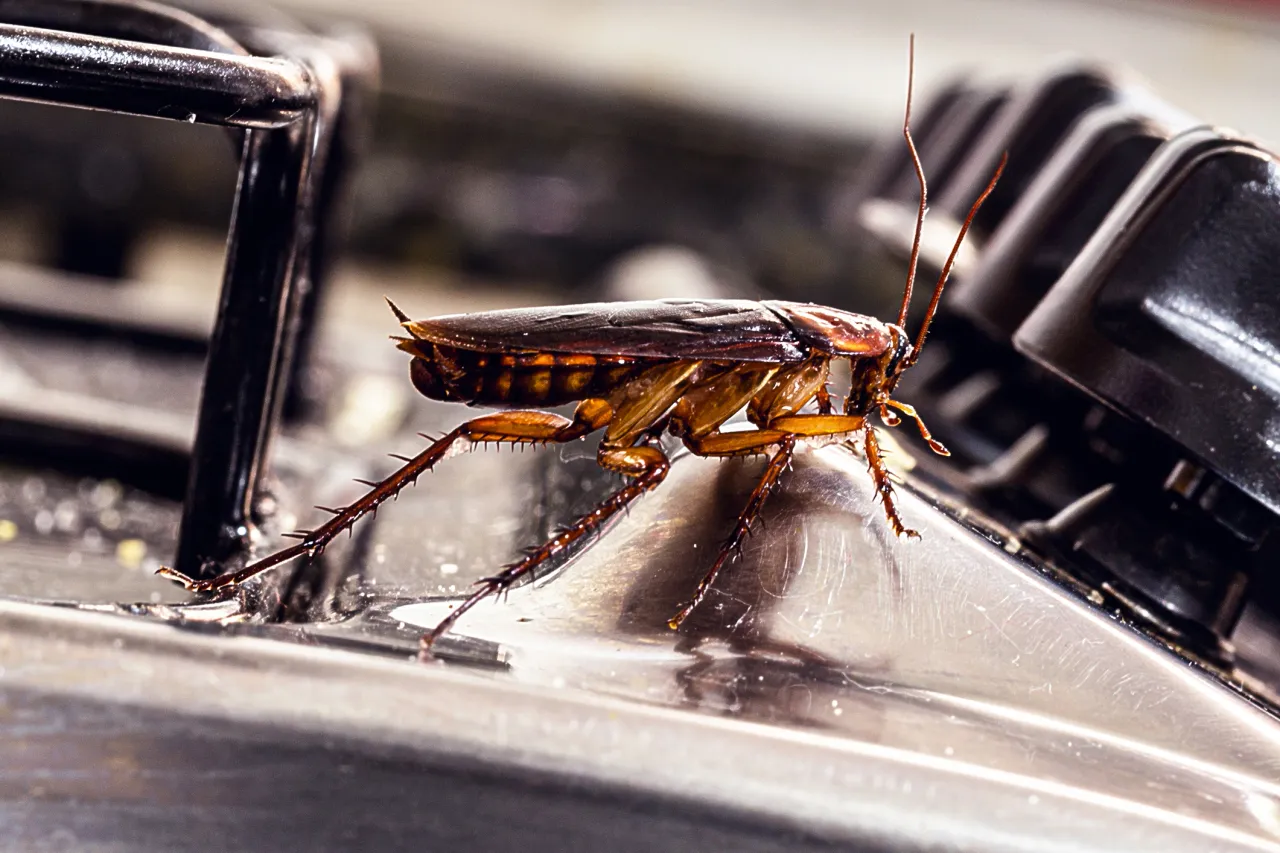
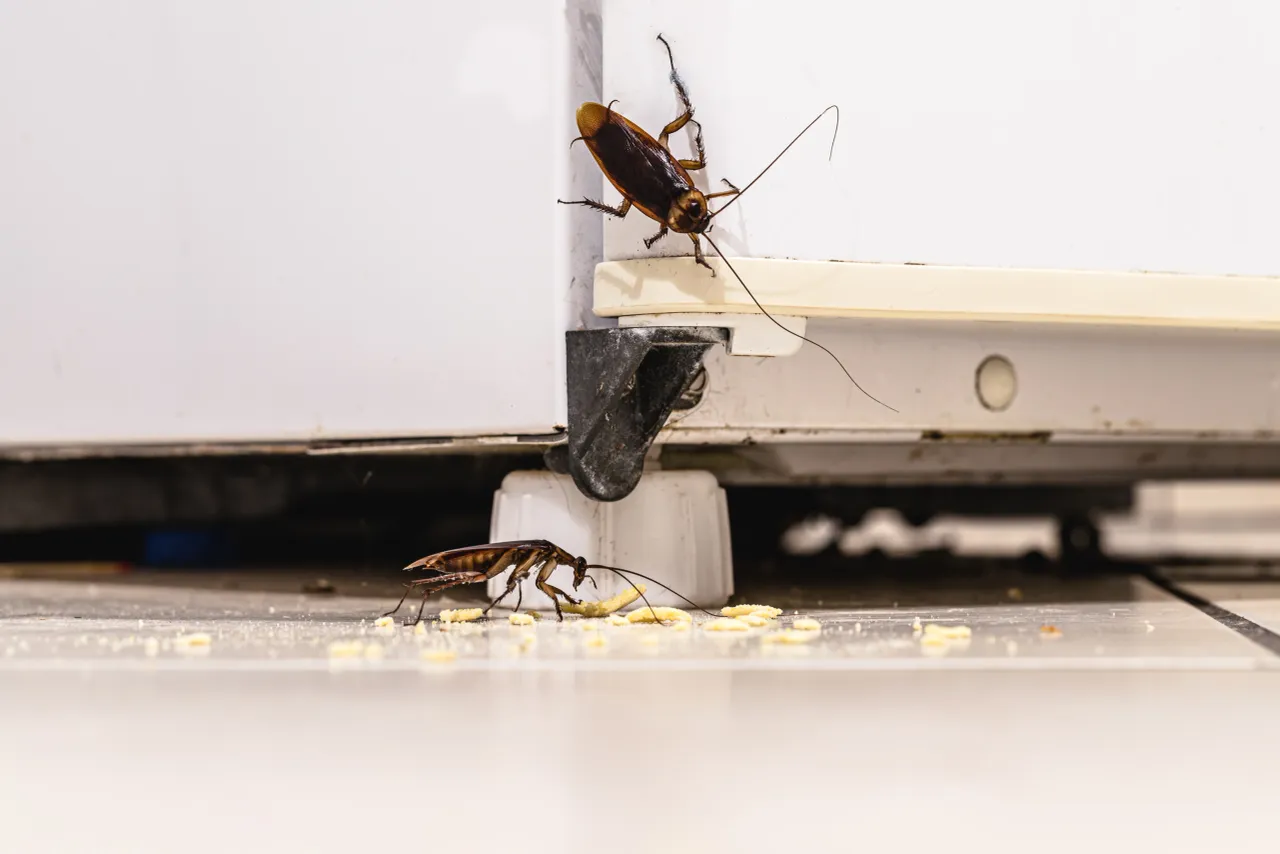
Photos show examples, not every species or life stage. If you are unsure what you found, contact Powell Pest and Lawn for help identifying it.
Cockroaches of the Ozarks: German, American & Brownbanded
Cockroaches thrive wherever food, warmth, and water meet. Learn to identify the three species most common to Southwest Missouri—and how to help keep them out of kitchens, restaurants, and workplaces.
Meet the Species
- German Cockroach (Blattella germanica) – Light brown with two dark stripes behind the head; prolific breeder found in kitchens and bathrooms.
- American Cockroach (Periplaneta americana) – Reddish-brown “water bug” up to 2″; often associated with sewers, boiler rooms, and commercial kitchens.
- Brownbanded Cockroach (Supella longipalpa) – Tan with two light bands across wings; hides in warm, dry upper cabinets and electronics.
Life Cycle & Behavior
Egg cases (oothecae) can contain 14–48 eggs depending on species. Nymphs molt 6–13 times before adulthood. Under favorable conditions, German cockroaches may complete a generation in as little as 36 days, which is why infestations can build rapidly without intervention.
Health Risks
- Can potentially spread bacteria such as E. coli and Salmonella by contacting food and food-preparation surfaces.
- Asthma and allergy symptoms may be worsened by shed skins, droppings, and other roach allergens.
- Odor issues in heavy infestations caused by aggregation pheromones and roach secretions.
Five Prevention Tips
- Vacuum crumbs beneath and behind appliances on a regular schedule.
- Fix drippy faucets and leaks—roaches can survive long periods with minimal food but rely on moisture.
- Store dry goods in airtight containers and discard excess cardboard that can harbor egg cases.
- Seal gaps around pipes and wall penetrations with silicone, foam, or escutcheon plates.
- Run kitchen and bathroom exhaust fans to help reduce humidity.
Signs of Infestation
- Small pepper-like droppings in cabinet corners or along baseboards.
- Oval brown egg cases attached to pantry walls, shelving, or appliance motors.
- Noticeable, musty “roachy” odor in enclosed cupboards or storage areas.
- Nighttime sightings when lights are switched on in kitchens or bathrooms.
Need Identification Help?
Text a photo of egg cases or droppings to 417-655-0213 for a complimentary ID.
Frequently Asked Questions
What attracts German cockroaches?
Grease, crumbs, food debris, and moisture in kitchens and bathrooms are key attractants.
Are American cockroaches the same as water bugs?
Yes—“water bug” is a common nickname for the large reddish-brown American cockroach.
Do brownbanded cockroaches fly?
Male brownbanded cockroaches can glide short distances; females rarely leave hiding spots and seldom fly.
Can cockroaches trigger allergies?
Yes. Roach allergens from droppings, cast skins, and saliva can contribute to asthma and allergy flare-ups, particularly in children and those with existing respiratory conditions.
Talk With a Cockroach Specialist
Call: 417-655-0213 |
Email: cooper@powellpestandlawn.com
213 N College Ave, Republic, MO 65738
Explore related pest guides
Compare identification clues and prevention tips for other pests you may find around your property.
Browse the full Pest Library · Explore pest control services · Ask about a pest
Request Your Free Quote
Tell us about your property and the service you need. Prefer to call? 417-655-0213.