
Silverfish identification photo
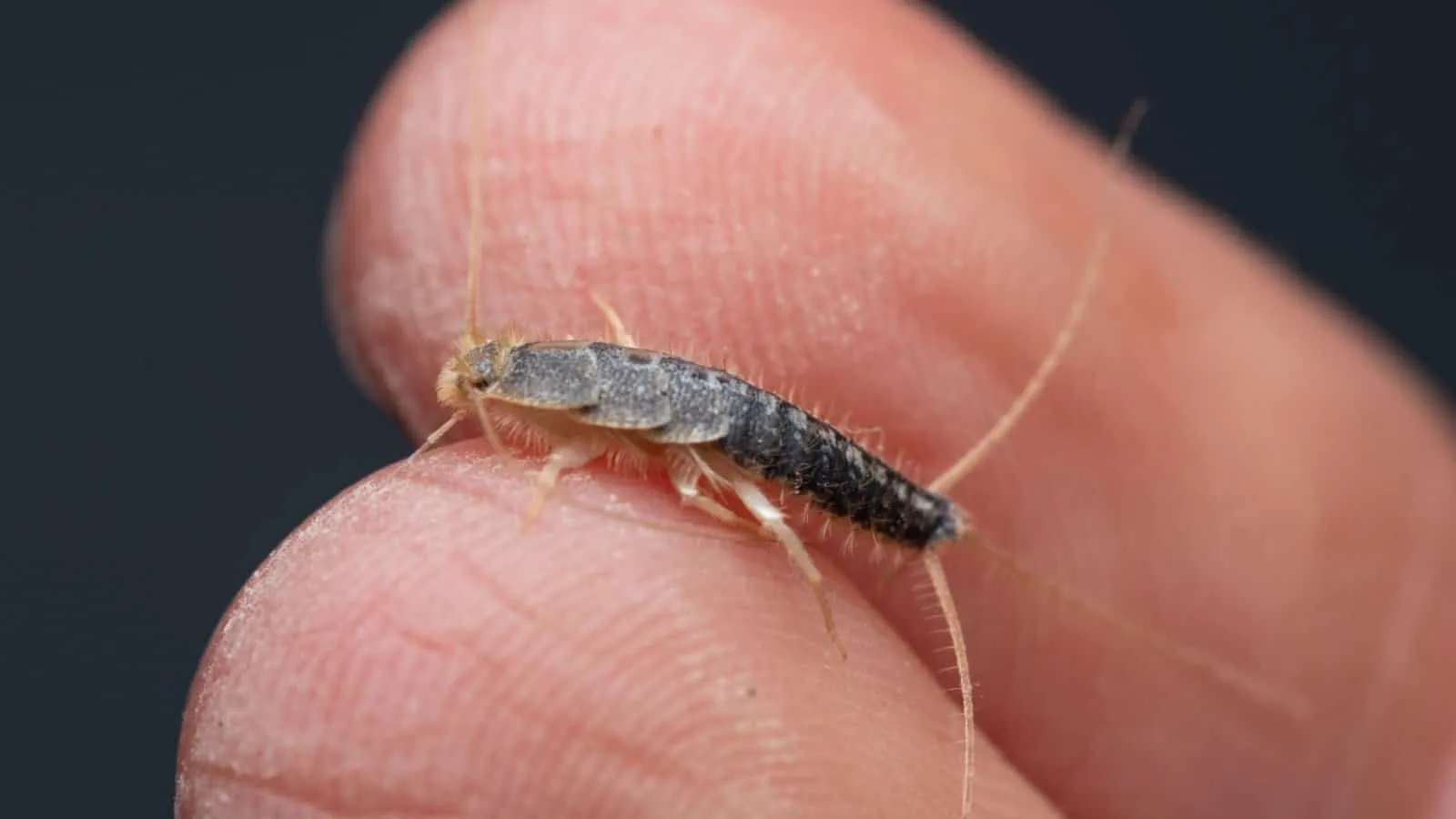
Photos show examples, not every species or life stage. If you are unsure what you found, contact Powell Pest and Lawn for help identifying it.
Silverfish Facts, Prevention & Treatment in Southwest Missouri
Silverfish are small, fast-moving insects that often show up in bathrooms, basements, laundry rooms, closets, and other moisture-prone areas. While they do not bite people, they can damage paper goods, books, cardboard, wallpaper, stored fabrics, and other household materials.
At Powell Pest and Lawn, we help homeowners across Springfield, Republic, Nixa, Ozark, and surrounding Southwest Missouri communities identify silverfish activity, reduce hiding areas, and address the conditions that allow these pests to thrive.
Why Silverfish Knowledge Matters
Silverfish are often a sign of moisture, humidity, or hidden access points inside the home. Seeing one silverfish may not always mean a major infestation, but repeated sightings can point to a larger issue in wall voids, storage areas, bathrooms, basements, attics, or crawlspace-adjacent rooms.
Because they feed on materials found throughout the home, early prevention and targeted control can help protect stored items and reduce long-term pest activity.
How to Identify Silverfish
- Size: Most adult silverfish are about 1/2 to 3/4 inch long.
- Color: They are typically silver, gray, or metallic-looking.
- Shape: Silverfish have flattened, teardrop-shaped bodies that taper toward the rear.
- Movement: They move quickly in a fish-like, wiggling motion.
- Tail filaments: Silverfish have three long bristle-like appendages at the back of the body.
- Activity: They are mostly nocturnal and are often noticed when lights are turned on suddenly.
The Silverfish Life Cycle
- Egg: Eggs are laid in small cracks, crevices, wall voids, or protected areas with humidity.
- Nymph: Young silverfish look similar to adults but are smaller and lighter in color.
- Adult: Adults continue feeding, hiding, and reproducing in suitable indoor environments.
Silverfish develop gradually and can survive for long periods when moisture, food sources, and shelter are available.
Signs You May Have a Silverfish Problem
- Fast-moving silver or gray insects in bathrooms, basements, closets, or laundry rooms.
- Small holes or notched edges in paper, cardboard, books, or wallpaper.
- Yellowish stains or tiny pepper-like droppings near stored items.
- Activity around sinks, tubs, floor drains, storage boxes, or baseboards.
- Repeated sightings in damp or dark areas of the home.
Where Silverfish Commonly Hide
- Bathrooms and laundry rooms.
- Basements and crawlspace-adjacent areas.
- Attics and closets.
- Behind baseboards and trim.
- Under sinks and near plumbing lines.
- Storage boxes, bookshelves, and paper-filled areas.
- Wall voids, cracks, and other protected spaces.
Why Silverfish Show Up in Missouri Homes
Southwest Missouri’s humid weather can make homes more attractive to moisture-loving pests. Silverfish often become more noticeable when humidity builds indoors, when storage areas remain undisturbed, or when basements and bathrooms provide dark, protected spaces with access to food sources.
Practical Silverfish Prevention Tips
- Reduce moisture: Use bathroom fans, repair leaks, and consider dehumidifiers in damp basements or storage areas.
- Improve ventilation: Increase airflow in closets, bathrooms, laundry rooms, and crawlspace-adjacent areas.
- Limit paper clutter: Store books, documents, and cardboard items in sealed plastic containers when possible.
- Seal cracks: Close gaps around baseboards, utility penetrations, plumbing lines, and foundation openings.
- Clean storage areas: Vacuum corners, closets, shelving, and under furniture to reduce food sources and hiding spots.
- Inspect boxes: Check stored items, especially cardboard, before moving them into living spaces.
How Powell Pest & Lawn Helps With Silverfish
- Inspection: We look for moisture-prone rooms, hiding areas, access points, and conditions that support silverfish activity.
- Targeted Interior Treatments: When appropriate, we focus on cracks, crevices, baseboards, plumbing areas, and protected spaces where silverfish hide.
- Moisture Recommendations: We provide practical guidance to help reduce humidity and limit conditions that attract silverfish.
- Integrated Pest Management: We combine treatment with prevention steps, sanitation recommendations, and exclusion advice.
- Follow-Up Support: If activity continues, our team can help reassess problem areas and adjust the approach as needed.
Need Help With Silverfish?
Call 417-655-0213 or request service through our Contact page.
Why Southwest Missouri Homeowners Choose Powell Pest & Lawn
- Local Experience: We understand how humidity, crawlspaces, basements, and seasonal conditions affect pest activity in Missouri homes.
- Thoughtful Applications: We use EPA-registered products according to label directions and apply them carefully around indoor spaces.
- Whole-Home Strategy: Silverfish control works best when moisture, hiding areas, and access points are addressed together.
- Service Guarantee: If pests return between scheduled visits, we provide support according to the service plan and guarantee.
- Neighborly Care: Powell Pest and Lawn is locally rooted and committed to clear communication, practical recommendations, and dependable service.
Frequently Asked Questions
Silverfish Identification & Behavior
Why do I have silverfish in my bathroom?
Silverfish are attracted to moisture, humidity, and dark hiding spaces. Bathrooms, basements, laundry rooms, and crawlspace areas often provide the conditions they prefer.
Are silverfish harmful?
Silverfish do not bite people, but they can damage paper, cardboard, books, wallpaper, stored fabrics, and other items that contain starches or cellulose.
What do silverfish eat?
Silverfish feed on starches, sugars, glue, paper, cardboard, wallpaper paste, book bindings, dead insects, and certain fabrics.
Treatment & Prevention
How do I prevent silverfish?
Reducing moisture, improving ventilation, sealing cracks, storing paper goods in sealed containers, and limiting clutter can help reduce silverfish activity.
Why do silverfish keep coming back?
Silverfish may continue returning if humidity, leaks, paper clutter, wall voids, or other hidden harborage areas remain available. Treatment works best when these conditions are addressed along with targeted pest control.
Can Powell Pest and Lawn treat silverfish?
Yes. Powell Pest and Lawn can inspect moisture-prone areas, identify silverfish activity, apply targeted treatments where appropriate, and provide prevention recommendations for long-term reduction.
Talk With a Local Silverfish Control Expert
Call: 417-655-0213
Email: cooper@powellpestandlawn.com
Visit: 213 N College Ave, Republic, MO 65738
Explore related pest guides
Compare identification clues and prevention tips for other pests you may find around your property.
Browse the full Pest Library · Explore pest control services · Ask about a pest
Request Your Free Quote
Tell us about your property and the service you need. Prefer to call? 417-655-0213.