Cricket identification photo
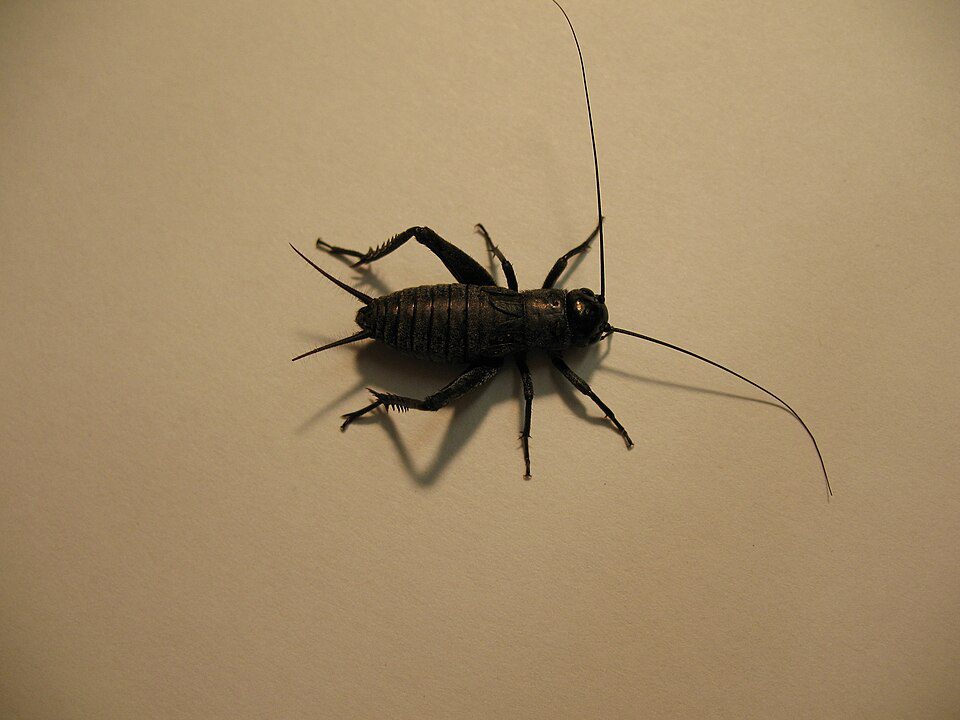
Photo: Kevin Judge / Wikimedia Commons, CC BY-SA 4.0. Resized, no other changes.

Photos show examples, not every species or life stage. If you are unsure what you found, contact Powell Pest and Lawn for help identifying it.
House Crickets, Field Crickets & Camel Crickets in Southwest Missouri
Crickets are common pests around homes and businesses in Springfield, Republic, Nixa, Ozark, and throughout Southwest Missouri, but not every cricket behaves the same way. The three types homeowners commonly ask about are house crickets, field crickets, and camel crickets. Camel crickets are also frequently called cave crickets or spider crickets.
Some crickets chirp. Some prefer lawns and exterior landscaping. Others hide in basements, crawl spaces, garages, utility rooms, and damp lower-level areas. Correct cricket identification can help determine why the insects are present, where they may be hiding, and what conditions are contributing to recurring cricket activity.
Powell Pest and Lawn provides professional cricket control and pest prevention services for house crickets, field crickets, and camel crickets across Southwest Missouri. Our approach focuses on identification, entry points, moisture, pest harborage, exterior pressure, and targeted treatment when appropriate.
What Types of Crickets Are Common Around Southwest Missouri Homes?
House Crickets
House crickets are usually light tan or yellowish-brown with darker markings on the head. They have long antennae, enlarged hind legs, and adults have wings.
Male house crickets can produce a noticeable chirping sound indoors. They may be found in garages, basements, utility areas, near appliances, or other warm and protected spaces.
Field Crickets
Field crickets are typically dark brown or black and have a heavier, more robust appearance than house crickets. They are commonly found outdoors around lawns, mulch, vegetation, foundations, leaf debris, and protected exterior areas.
Field crickets may enter homes through gaps around doors, garage openings, windows, utility penetrations, and foundation cracks.
Camel Crickets
Camel crickets, also called cave crickets or spider crickets, are tan to brown, wingless, humpbacked, and have extremely long antennae and hind legs.
They prefer cool, dark, humid environments and are commonly found in basements, crawl space areas, garages, sheds, plumbing areas, and damp storage rooms.
House Cricket vs. Field Cricket vs. Camel Cricket
House Crickets: Identification, Behavior & Indoor Activity
House crickets are one of the cricket species most closely associated with indoor chirping. Their lighter tan or yellowish-brown color can help separate them from darker field crickets. House crickets may move indoors through small exterior openings and remain in warm, protected areas.
Common Signs of House Crickets
- Chirping sounds inside a home, garage, basement, or utility area.
- Light brown or tan crickets moving along floors or baseboards.
- Crickets hiding behind appliances, stored items, equipment, or shelving.
- Activity near exterior doors, garages, and structural openings.
- Repeated indoor cricket sightings in warm or protected areas.
Where House Crickets Hide
House crickets may hide in basements, garages, utility rooms, storage areas, behind appliances, near baseboards, and around floor-level clutter. A chirping cricket can be difficult to locate because the sound may carry through a room or seem to come from a wall-adjacent area.
Field Crickets: Dark Crickets Around Lawns, Mulch & Foundations
Field crickets are commonly dark brown or black and are typically associated with outdoor environments. Homeowners may notice them around lawns, landscaping beds, mulch, leaf debris, exterior lighting, foundations, porches, and garages.
Although field crickets normally live outdoors, they can become an indoor pest when they move through door gaps, garage door openings, foundation cracks, damaged weatherstripping, lower-level windows, and utility penetrations.
Common Signs of Field Crickets
- Dark brown or black crickets near doors, garages, patios, or foundations.
- Chirping around landscaping or outside walls.
- Crickets moving through garages or lower-level rooms.
- Seasonal increases in cricket activity around exterior lighting.
- Repeated activity around mulch, vegetation, leaf debris, or stacked materials.
Camel Crickets, Cave Crickets & Spider Crickets in Basements
Camel crickets are commonly called cave crickets or spider crickets. They look very different from house crickets and field crickets because of their arched or humpbacked body, oversized hind legs, extremely long antennae, and lack of wings.
Camel crickets are strongly associated with basements, crawl spaces, garages, sheds, utility rooms, floor drain areas, plumbing spaces, and other cool, dark, humid environments. They may jump suddenly when disturbed, which is one reason homeowners often find them alarming.
Common Signs of Camel Crickets
- Humpbacked crickets with very long legs and antennae.
- Crickets jumping across basement or garage floors.
- Activity in dark corners, crawl space areas, or near plumbing.
- Repeated sightings in humid or moisture-prone rooms.
- Camel crickets hiding under boxes, shelving, stored items, or equipment.
Why Are Crickets Getting Into My House?
Crickets can enter homes through surprisingly small openings. Common cricket entry points include gaps under exterior doors, worn door sweeps, damaged weatherstripping, foundation cracks, lower-level windows, garage doors, utility penetrations, vents, and gaps around siding or trim.
The reason crickets remain around a property often depends on the species. House crickets may seek warmth and shelter. Field crickets are commonly associated with exterior pest pressure around lawns and landscaping. Camel crickets prefer moisture, darkness, and protected lower-level spaces.
Why Crickets Are Common in Southwest Missouri
Warm weather, seasonal rain, humidity, vegetation, mulch, crawl spaces, basements, and changing temperatures can all influence cricket activity in Southwest Missouri. Cricket problems may become more noticeable when outdoor conditions change or when insects find favorable shelter around a structure.
Homes in Springfield, Republic, Nixa, Ozark, Battlefield, Willard, Rogersville, Strafford, and surrounding Missouri communities may experience different cricket pressure depending on moisture, landscaping, foundation conditions, and available entry points.
How to Help Prevent House Crickets, Field Crickets & Camel Crickets
- Reduce basement and crawl space moisture: Repair leaks, improve ventilation, and use dehumidification where appropriate.
- Seal foundation gaps: Inspect cracks, utility penetrations, lower-level windows, and openings around the exterior.
- Replace worn door sweeps: House crickets and field crickets may move through gaps beneath exterior and garage doors.
- Reduce garage and basement clutter: Boxes, stored materials, and undisturbed floor-level items create hiding areas.
- Manage mulch and leaf debris: Heavy organic material near the foundation can support exterior cricket harborage.
- Move stacked materials away from the structure: Lumber, equipment, containers, and debris can create protected outdoor hiding spaces.
- Inspect exterior lighting areas: Cricket activity may be noticeable around illuminated doors and walls.
- Monitor damp lower-level rooms: Repeated camel cricket sightings may point to a moisture-prone hiding area.
Professional Cricket Control in Springfield & Southwest Missouri
Powell Pest and Lawn provides cricket control in Springfield, MO and surrounding Southwest Missouri communities for homeowners dealing with house crickets, field crickets, camel crickets, cave crickets, or recurring cricket activity.
- Cricket Identification: We evaluate the type of cricket and the areas where activity is occurring.
- Interior & Exterior Inspection: We look for hiding areas, moisture conditions, structural openings, and exterior pest pressure.
- Targeted Cricket Treatment: When appropriate, treatment may focus on cracks, crevices, foundation areas, protected pest harborage, and areas associated with cricket activity.
- Moisture & Harborage Recommendations: We identify conditions that may support camel crickets or other recurring cricket problems.
- Cricket Exclusion Recommendations: We provide practical guidance for reducing entry through doors, windows, foundations, garages, and utility openings.
- Follow-Up Support: Continued activity can be reassessed to determine whether additional hiding areas, entry points, or pest pressure remain.
Need Help With Crickets in Your Home, Basement or Garage?
Call 417-655-0213 or request cricket control service through our Contact page.
Why Southwest Missouri Homeowners Choose Powell Pest & Lawn
- Local Pest Experience: We understand how Missouri weather, humidity, basements, crawl spaces, landscaping, and seasonal pest movement affect cricket activity.
- Species-Focused Identification: House crickets, field crickets, and camel crickets behave differently, so identification matters.
- Thoughtful Applications: We use EPA-registered products according to label directions and apply them carefully around homes and businesses.
- Whole-Property Strategy: Cricket control works best when pest pressure, moisture, entry points, and hiding areas are considered together.
- Service Guarantee: If pests return between scheduled visits, we provide support according to the service plan and guarantee.
- Local, Neighborly Service: Powell Pest and Lawn is committed to practical recommendations, clear communication, and dependable pest control service.
Cricket Control Frequently Asked Questions
Cricket Identification & Species
What type of cricket is in my house?
The most common cricket types homeowners may notice around Southwest Missouri properties include house crickets, field crickets, and camel crickets. House crickets are usually light tan or yellowish-brown, field crickets are commonly dark brown or black, and camel crickets are humpbacked, wingless, and have very long legs and antennae.
What is the difference between a house cricket, field cricket, and camel cricket?
House crickets are light brown or tan and are often associated with warm indoor areas. Field crickets are usually dark brown or black and commonly live outdoors near lawns, mulch, foundations, and vegetation. Camel crickets, also called cave crickets or spider crickets, are wingless, humpbacked insects that prefer cool, dark, humid spaces such as basements, crawl spaces, garages, and utility rooms.
How do I identify a house cricket?
House crickets are typically light tan to yellowish-brown with darker markings on the head. They have long antennae, enlarged hind legs, and adults have wings. Male house crickets can produce a noticeable chirping sound and may move indoors around warm, protected areas.
How do I identify a field cricket?
Field crickets are commonly dark brown to black with a more robust body than house crickets. They have long antennae and powerful hind legs. Field crickets usually live outdoors in lawns, mulch, under debris, around foundations, and in other protected exterior areas, but they may enter homes through gaps around doors, windows, or foundations.
How do I identify a camel cricket?
Camel crickets are tan to brown, wingless, and known for their humpbacked appearance. They have extremely long antennae and oversized hind legs that allow them to jump suddenly when disturbed. Camel crickets are frequently found in basements, crawl spaces, garages, sheds, and other cool, damp, dark locations.
Are camel crickets the same as cave crickets or spider crickets?
Yes. Camel crickets are commonly called cave crickets or spider crickets. These names generally refer to the same group of humpbacked, long-legged crickets that prefer dark, humid environments.
Crickets in Homes, Basements & Garages
Why do I have camel crickets in my basement?
Camel crickets are attracted to cool, dark, humid environments. Basements, crawl space areas, garages, utility rooms, floor drain areas, plumbing spaces, and damp storage rooms may provide the moisture and shelter they prefer.
Do camel crickets chirp?
Camel crickets do not produce the familiar chirping sound associated with house crickets and field crickets. They are wingless and are more often noticed because of their long legs, humpbacked body, and sudden jumping.
Why are crickets chirping inside my house?
Chirping inside a home is often associated with male house crickets or field crickets. A cricket may be hiding behind appliances, near baseboards, in wall-adjacent gaps, in a basement, garage, utility room, or another protected indoor location.
Are crickets dangerous to people or pets?
House crickets, field crickets, and camel crickets are generally considered nuisance pests. They are not typically viewed as a major health threat, but repeated cricket activity may indicate moisture problems, entry gaps, outdoor pest pressure, or protected indoor hiding areas.
Do crickets damage homes?
Crickets do not typically cause structural damage. However, some crickets may feed on fabrics, paper products, stored materials, or organic debris when they remain indoors. The larger concern is often repeated pest activity, noise, moisture conditions, and entry points.
Why do crickets keep coming back every year?
Recurring cricket problems usually continue because the property still offers entry points, moisture, shelter, or outdoor hiding areas. Foundation gaps, worn door sweeps, mulch, leaf debris, stacked materials, damp basements, crawl spaces, and garage clutter can all contribute to repeated cricket activity.
How are crickets getting into my house?
Crickets may enter through gaps under exterior doors, damaged weatherstripping, foundation cracks, utility penetrations, lower-level windows, garage doors, vents, and other small openings around the structure.
How do I keep crickets out of my basement?
To reduce basement cricket activity, lower humidity, repair leaks, improve ventilation, seal foundation openings, reduce floor-level clutter, inspect utility penetrations, and limit damp storage conditions. Camel cricket problems are especially associated with dark, moisture-prone lower-level areas.
How do I keep crickets out of my garage?
Improve garage door seals, replace worn weatherstripping, reduce clutter along walls, remove leaf debris near the garage exterior, limit standing moisture, and seal visible gaps around utility lines and framing transitions.
Cricket Attraction, Seasonal Activity & Treatment
Should I be concerned if I see one camel cricket?
One camel cricket may be an occasional invader, but repeated sightings can indicate a damp hiding area or a larger population in a basement, crawl space, garage, or nearby protected location.
What attracts house crickets?
House crickets may be attracted to warmth, shelter, light, and accessible indoor hiding areas. They can enter through structural gaps and may remain in garages, basements, utility rooms, or other protected spaces.
What attracts field crickets?
Field crickets are commonly associated with lawns, mulch, vegetation, leaf debris, stacked materials, and protected outdoor areas. Exterior lighting and openings around a structure may contribute to field crickets moving toward or entering a home.
What attracts camel crickets?
Camel crickets are strongly associated with cool, dark, humid environments. Moist basements, crawl spaces, garages, plumbing areas, utility rooms, and undisturbed storage spaces can provide favorable conditions.
When are crickets most active in Southwest Missouri?
Cricket activity can vary by species and weather conditions, but homeowners often notice increased activity during warm periods and seasonal transitions. Field crickets may become more noticeable outdoors and around foundations, while camel crickets may remain active in cool, damp, protected spaces.
Can Powell Pest and Lawn treat house crickets, field crickets, and camel crickets?
Yes. Powell Pest and Lawn provides cricket control for house crickets, field crickets, and camel crickets across Springfield, Republic, Nixa, Ozark, and surrounding Southwest Missouri communities. Service may include inspection, identification, targeted treatment, exterior pest pressure evaluation, and practical recommendations for moisture reduction and pest exclusion.
Talk With a Local Cricket Control Expert
Call:417-655-0213
Explore related pest guides
Compare identification clues and prevention tips for other pests you may find around your property.
Browse the full Pest Library · Explore pest control services · Ask about a pest
Request Your Free Quote
Tell us about your property and the service you need. Prefer to call? 417-655-0213.