
Mouse identification photo
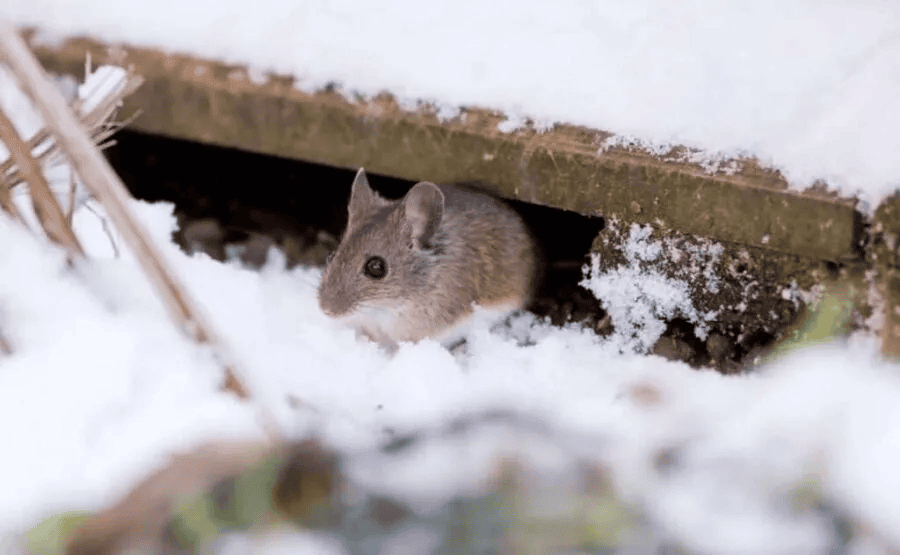
Photos show examples, not every species or life stage. If you are unsure what you found, contact Powell Pest and Lawn for help identifying it.
Rodents, Mice & Rats of the Ozarks
When temperatures drop, mice and rats look for warm shelter—often in our homes, sheds, and businesses. This library entry profiles the rodents most common to Southwest Missouri, explains the health risks they can pose, and shares prevention tips you can put into practice today.
Meet the Culprits
- House Mouse (Mus musculus) – Gray-brown, 3–4″ long, tail equals body length. Excellent climber and prolific breeder.
- Deer Mouse (Peromyscus maniculatus) – Two-tone body with white belly and feet; common in outbuildings and cabins.
- Norway Rat (Rattus norvegicus) – Stocky, blunt-snouted burrower that tunnels under slabs and compost piles.
- Roof Rat (Rattus rattus) – Sleek, long-tailed climber; nests in attics and tree canopies.
Life Cycle & Behavior
Mice can mature in about six weeks and may raise multiple litters per year. Rats typically mature in around three months, producing litters of 6–12 pups. Both are primarily nocturnal and often travel along established runways next to walls, pipes, and foundation edges.
Health Risks
- Hantavirus – Associated with deer-mouse droppings and urine in enclosed spaces.
- Salmonella – Possible contamination of pantry items and food-preparation surfaces.
- Leptospirosis – Can be linked to rat urine in crawl spaces or standing water.
- Electrical concerns – Gnawed wiring in walls and attics can increase fire risk.
Five Prevention Tips
- Seal any gap ≥ 1/4-inch with a combination of steel wool and sealant.
- Store pet food and bird seed in lidded, rodent-resistant containers.
- Trim tree limbs at least 3 ft from the roofline to deter roof-rat access.
- Keep foundation plantings thinned so burrow openings remain visible.
- Inspect attic and crawl-space vents regularly to ensure screens are intact and secure.
Signs of Infestation
- Rice-size droppings in cabinets or along baseboards.
- Gnaw marks on packaging, trim, or framing.
- Grease rub marks where rodents repeatedly squeeze through openings.
- Musky or ammonia-like odor in enclosed rooms.
- Scratching or scurrying sounds after dusk.
Need Identification Help?
Text a photo of droppings or chew marks to 417-655-0213 for a complimentary ID.
Frequently Asked Questions
How small an opening can a mouse use?
Mice can squeeze through a 1/4-inch gap—roughly the diameter of a dime.
What diseases do deer mice carry?
Deer mice are considered important carriers of hantavirus, which in some circumstances can lead to Hantavirus Pulmonary Syndrome.
Do rats live in attics?
Roof rats are agile climbers and can nest in attics, soffits, tall shrubs, and dense vegetation near structures.
Are glue boards humane?
Glue boards can cause prolonged suffering; many experts prefer properly set snap traps or multi-catch stations as more humane and effective solutions.
Talk With a Rodent Specialist
Call: 417-655-0213 |
Email: cooper@powellpestandlawn.com
213 N College Ave, Republic, MO 65738
Explore related pest guides
Compare identification clues and prevention tips for other pests you may find around your property.
Browse the full Pest Library · Explore pest control services · Ask about a pest
Request Your Free Quote
Tell us about your property and the service you need. Prefer to call? 417-655-0213.