
Flea identification photo
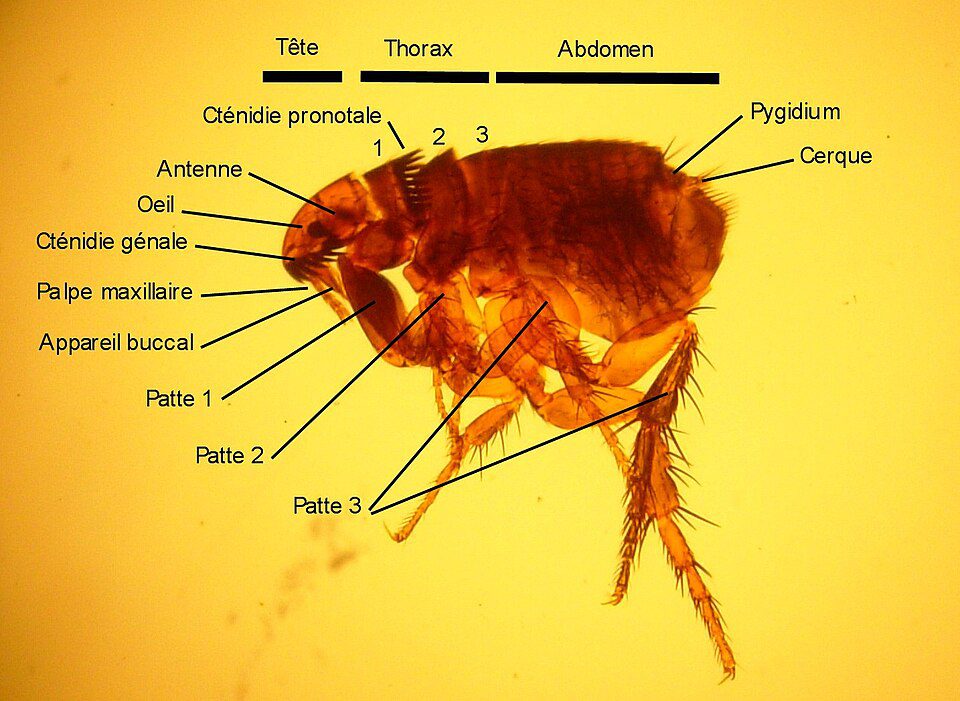
Photo: Auguste Le Roux / Wikimedia Commons, CC BY-SA 3.0. Resized, no other changes.

Photos show examples, not every species or life stage. If you are unsure what you found, contact Powell Pest and Lawn for help identifying it.
Flea Facts, Prevention & Treatment in Southwest Missouri
Fleas are one of the most frustrating pests for homeowners and pet owners across the Ozarks. These tiny biting insects reproduce quickly, move easily between pets and homes, and can become difficult to control when indoor and outdoor breeding areas are not addressed together.
At Powell Pest and Lawn, we help homeowners across Springfield, Republic, Nixa, Ozark, and surrounding Southwest Missouri communities understand flea activity, identify problem areas, and take practical steps to reduce infestations before they spread.
Why Flea Knowledge Matters
Fleas are more than a nuisance. Their bites can cause itching, irritation, and discomfort for both people and pets. Because fleas develop through several life stages, adult fleas are often only part of the problem. Eggs, larvae, and pupae may remain hidden in carpets, furniture, bedding, shaded yard areas, and places where pets rest.
Understanding how fleas live and spread helps homeowners take the right steps at the right time instead of relying only on short-term surface treatments.
How to Identify Fleas
- Size: Adult fleas are very small, usually about 1/16 to 1/8 inch long.
- Color: They are typically reddish-brown to dark brown.
- Shape: Fleas have narrow, flattened bodies that allow them to move through fur, carpet fibers, and fabric.
- Movement: Fleas are known for jumping quickly rather than crawling slowly across surfaces.
- Common evidence: Flea dirt, small dark specks found on pets or bedding, is often one of the first signs of activity.
The Flea Life Cycle
- Egg: Flea eggs are tiny, light-colored, and often fall from pets into carpet, bedding, furniture, or yard areas.
- Larva: Larvae avoid light and develop in protected areas where organic debris is available.
- Pupa: The pupal stage is one reason fleas can seem to return after treatment. Pupae may remain protected until vibration, warmth, or carbon dioxide signals a host nearby.
- Adult: Adult fleas feed on blood and can quickly begin reproducing once they find a suitable host.
Because of this life cycle, successful flea control often requires a combination of treatment, cleaning, pet care, and follow-up attention.
Signs You May Have a Flea Problem
- Pets scratching, biting, or grooming more than usual.
- Small jumping insects seen on pets, socks, carpets, or furniture.
- Flea dirt on pet bedding, blankets, rugs, or around resting areas.
- Small red bites, often around ankles, legs, or areas where people sit or sleep.
- Increased pest activity after pets come inside from shaded outdoor spaces.
Where Fleas Commonly Hide
- Carpets and rugs.
- Pet bedding and favorite resting areas.
- Upholstered furniture.
- Cracks between flooring or baseboards.
- Under decks, porches, and crawlspace entrances.
- Shaded areas around shrubs, fence lines, dog runs, and outdoor kennels.
When Fleas Are Most Active in Missouri
Flea activity often increases during warm and humid weather, making spring, summer, and early fall important times for prevention in Southwest Missouri. However, fleas can continue indoors when conditions are favorable, especially in homes with pets, carpet, bedding, and protected areas where flea eggs and larvae can develop.
Practical Flea Prevention Tips
- Vacuum frequently: Focus on carpets, rugs, furniture edges, and areas where pets rest.
- Wash pet bedding: Clean blankets, beds, and soft items regularly using appropriate wash settings.
- Coordinate pet care: Use veterinarian-approved flea prevention for dogs and cats.
- Maintain the yard: Keep grass trimmed, remove debris, and reduce shaded, damp harborage areas.
- Limit wildlife pressure: Wildlife and stray animals can introduce fleas to yards, crawlspaces, sheds, and protected outdoor areas.
- Act early: Fleas reproduce quickly, so early action can help prevent a minor issue from becoming a larger infestation.
How Powell Pest & Lawn Helps With Fleas
- Inspection: We look for indoor and outdoor areas where flea activity is likely to develop or continue.
- Targeted Interior Treatments: When needed, we focus on carpets, baseboards, cracks, crevices, and areas where pets rest.
- Outdoor Flea Reduction: We treat shaded areas, resting zones, fence lines, kennels, and other areas where fleas may develop outside.
- Integrated Pest Management: We combine treatment with practical homeowner recommendations to reduce reinfestation risks.
- Follow-Up Guidance: Because flea life stages can persist, we provide realistic expectations and prevention tips to help support lasting results.
Need Help With Fleas?
Call 417-655-0213 or request service through our Contact page.
Why Southwest Missouri Homeowners Choose Powell Pest & Lawn
- Local Experience: We understand how Missouri weather, pets, wildlife, and yard conditions affect flea activity.
- Thoughtful Applications: We use EPA-registered products according to label directions and apply them with care around homes and outdoor spaces.
- Indoor and Outdoor Strategy: Flea problems often require more than one approach, especially when pets and yards are involved.
- Service Guarantee: If pests return between scheduled visits, we provide support according to the service plan and guarantee.
- Neighborly Care: Powell Pest and Lawn is locally rooted and committed to clear communication, practical recommendations, and dependable service.
Frequently Asked Questions
Flea Identification & Behavior
Can fleas survive without pets?
Yes. While fleas prefer animal hosts, they can bite people and survive for a period of time in carpets, furniture, bedding, cracks in flooring, and shaded outdoor areas.
Can fleas live in my yard?
Yes. Fleas commonly develop in shaded, protected outdoor areas where pets, wildlife, or stray animals rest. Under decks, porches, shrubs, and fence lines can all become problem areas.
Can fleas bite humans?
Yes. Fleas can bite people, especially around ankles, legs, or areas where people sit or sleep. If you experience irritation or medical concerns, contact a healthcare professional.
Treatment & Prevention
Why do fleas keep coming back?
Fleas have a four-stage life cycle. Eggs, larvae, and pupae may remain hidden after adult fleas are treated, which is why follow-up control, vacuuming, pet care, and outdoor treatment are often important.
What time of year are fleas worst in Missouri?
Flea activity often increases during warm, humid months in Missouri, but indoor infestations can continue longer when pets, carpets, bedding, and protected spaces provide suitable conditions.
Do I need to treat my pets too?
Yes. Professional home or yard treatment works best when paired with veterinarian-approved flea prevention for pets. Always consult your veterinarian for pet-specific flea products and instructions.
Why am I still seeing fleas after treatment?
It is common to see some flea activity after treatment as hidden pupae emerge. Vacuuming, washing pet bedding, following technician instructions, and coordinating pet treatment can help improve results over time.
Talk With a Local Flea Control Expert
Call: 417-655-0213
Email: cooper@powellpestandlawn.com
Visit: 213 N College Ave, Republic, MO 65738
Explore related pest guides
Compare identification clues and prevention tips for other pests you may find around your property.
Browse the full Pest Library · Explore pest control services · Ask about a pest
Request Your Free Quote
Tell us about your property and the service you need. Prefer to call? 417-655-0213.