
Earwig identification photo
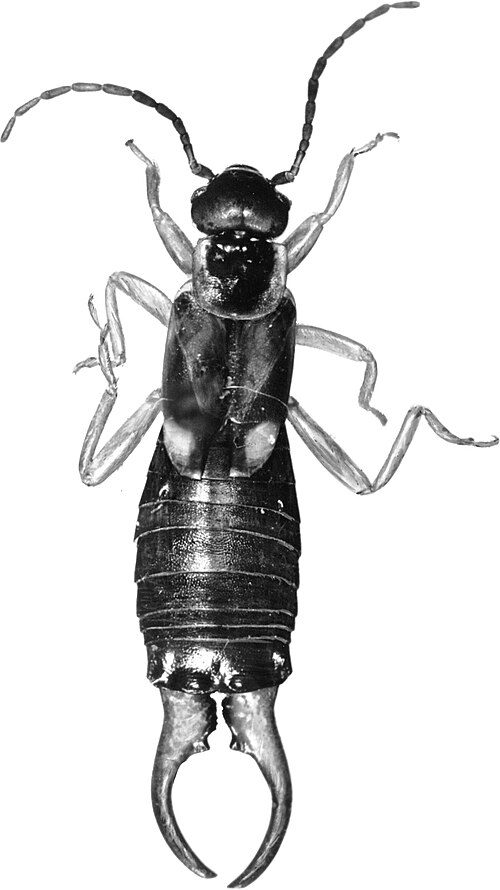
Photo: USDA / Wikimedia Commons, public domain. Resized.
.jpg)
Photos show examples, not every species or life stage. If you are unsure what you found, contact Powell Pest and Lawn for help identifying it.
Earwig Facts, Prevention & Treatment in Southwest Missouri
Earwigs, often called pincher bugs, are moisture-loving insects that commonly show up around foundations, mulch beds, porches, garages, basements, and bathrooms. While they are not considered dangerous to people, they can become an annoying nuisance when they move indoors or gather in large numbers around the home.
At Powell Pest and Lawn, we help homeowners across Springfield, Republic, Nixa, Ozark, and surrounding Southwest Missouri communities identify earwig activity, reduce harborage areas, and address the moisture conditions that often attract these pests.
Why Earwig Knowledge Matters
Earwigs are often a sign that moisture, organic debris, mulch, or entry points are creating ideal conditions around your home. They commonly live outside, but they may move indoors when weather conditions change, outdoor populations increase, or damp hiding spaces are located close to the foundation.
Understanding where earwigs hide and why they invade can help reduce repeat activity and prevent them from becoming a recurring seasonal issue.
How to Identify Earwigs
- Size: Most adult earwigs are about 1/2 to 1 inch long.
- Color: They are usually reddish-brown to dark brown.
- Shape: Earwigs have long, narrow, flattened bodies.
- Pincers: Their most recognizable feature is a pair of forceps-like pincers at the rear of the body.
- Activity: Earwigs are mostly nocturnal and often hide during the day.
- Movement: They move quickly when disturbed and may scatter from damp hiding areas.
The Earwig Life Cycle
- Egg: Female earwigs lay eggs in protected soil, cracks, or moist hiding areas.
- Nymph: Young earwigs look similar to adults but are smaller and lighter in color.
- Adult: Adult earwigs feed, hide, and reproduce in damp outdoor areas with shelter and organic material.
Because earwigs depend heavily on moisture and shelter, reducing damp harborage zones is one of the most important steps in long-term prevention.
Signs You May Have an Earwig Problem
- Earwigs found near doors, windows, garages, bathrooms, basements, or laundry rooms.
- Activity around mulch beds, landscape stones, firewood, leaf litter, or damp soil.
- Multiple earwigs showing up after heavy rain or periods of high humidity.
- Earwigs gathering under flowerpots, patio furniture, boards, or outdoor storage items.
- Occasional indoor activity near baseboards, floor drains, or foundation-level rooms.
Where Earwigs Commonly Hide
- Mulch beds and landscape borders.
- Under rocks, boards, flowerpots, and patio items.
- Leaf litter, grass clippings, and organic debris.
- Foundation cracks and gaps around doors or windows.
- Basements, garages, crawlspace entrances, and laundry areas.
- Shaded, damp areas around porches, decks, and retaining walls.
Why Earwigs Show Up in Missouri Homes
Southwest Missouri’s humidity, heavy spring rains, shaded landscaping, and mulch-heavy beds can create ideal earwig conditions around homes. Earwigs often become more noticeable during warm, wet periods or when exterior hiding areas are located directly against the foundation.
Practical Earwig Prevention Tips
- Reduce moisture: Fix leaks, improve drainage, and avoid overwatering landscape beds near the home.
- Adjust mulch: Pull mulch and organic material back from the foundation when possible.
- Remove debris: Clear leaf piles, grass clippings, boards, and unused items from around the home.
- Seal entry points: Close gaps around doors, windows, utility lines, garage thresholds, and foundation cracks.
- Trim vegetation: Keep shrubs, groundcover, and dense plants from touching the structure.
- Check damp storage areas: Inspect garages, basements, crawlspace access points, and patios where earwigs may hide.
How Powell Pest & Lawn Helps With Earwigs
- Inspection: We look for moisture sources, outdoor hiding areas, mulch beds, entry points, and foundation-level activity.
- Exterior Barrier Treatments: When appropriate, we focus on foundation perimeters, entry points, and common exterior hiding zones.
- Targeted Interior Treatments: If earwigs are active indoors, we can address cracks, crevices, baseboards, and moisture-prone rooms.
- Habitat Recommendations: We provide practical guidance for reducing moisture, debris, and conditions that attract earwigs.
- Integrated Pest Management: We combine treatment with prevention steps to help reduce recurring seasonal activity.
Need Help With Earwigs?
Call 417-655-0213 or request service through our Contact page.
Why Southwest Missouri Homeowners Choose Powell Pest & Lawn
- Local Experience: We understand how Missouri humidity, rainfall, landscaping, and seasonal conditions affect pest activity around homes.
- Thoughtful Applications: We use EPA-registered products according to label directions and apply them carefully around indoor and outdoor spaces.
- Exterior-Focused Strategy: Earwig control works best when the outside conditions attracting them are addressed first.
- Service Guarantee: If pests return between scheduled visits, we provide support according to the service plan and guarantee.
- Neighborly Care: Powell Pest and Lawn is locally rooted and committed to clear communication, practical recommendations, and dependable service.
Frequently Asked Questions
Earwig Identification & Behavior
Why do I have earwigs in my house?
Earwigs are attracted to moisture, mulch, leaf litter, damp soil, and protected hiding areas. They often move indoors through gaps around doors, windows, foundations, and utility openings when outdoor conditions become too wet, too dry, or overcrowded.
Are earwigs dangerous?
Earwigs are not considered dangerous to people. Their pincers may look intimidating, but they are mostly used for defense and mating. They can be a nuisance when they gather around homes or enter living spaces.
Do earwigs crawl into ears?
The idea that earwigs commonly crawl into ears is a myth. Earwigs prefer damp, dark outdoor hiding spaces such as mulch, leaf litter, stones, boards, and shaded landscape beds.
Treatment & Prevention
How do I prevent earwigs?
Reducing moisture, trimming vegetation, pulling mulch away from the foundation, sealing cracks, improving drainage, and removing debris around the home can help reduce earwig activity.
Why do earwigs keep coming back?
Earwigs may keep returning if damp mulch, leaf litter, overwatered landscaping, foundation gaps, or shaded harborage areas remain close to the home. Treatment works best when these conditions are addressed along with targeted pest control.
Can Powell Pest and Lawn treat earwigs?
Yes. Powell Pest and Lawn can inspect moisture-prone areas, identify exterior harborage zones, apply targeted treatments where appropriate, and provide prevention recommendations to help reduce earwig activity.
Talk With a Local Earwig Control Expert
Call: 417-655-0213
Email: cooper@powellpestandlawn.com
Visit: 213 N College Ave, Republic, MO 65738
Explore related pest guides
Compare identification clues and prevention tips for other pests you may find around your property.
Browse the full Pest Library · Explore pest control services · Ask about a pest
Request Your Free Quote
Tell us about your property and the service you need. Prefer to call? 417-655-0213.